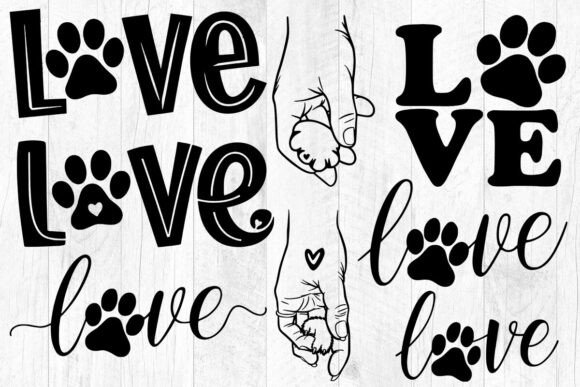
Paw Print Love SVG: A Designer’s Review for Embroidery
When you spend your days working with machine embroidery designs, you learn to read a file before you ever load it onto your machine. You look for balance, for clarity, for the kind of shape that will hold up through stitching, washing, and the scrutiny of a customer who just paid for a handmade product. I recently got my hands on the Paw Print Love Svg, Dog Paw Svg, Cat Paw set, and I want to walk through how it performs when you move it from digital download to finished product.
First Impressions: What This Design Brings to the Hoop
Opening this digital embroidery file, the first thing I noticed was the mood. It is warm, grounded, and instantly recognizable. The paw print shape is the kind of motif that resonates with people who treat their pets like family. It is simple without feeling plain, and that is a hard balance to strike. The visual personality leans friendly and sentimental, which makes it a strong candidate for personalized gifts and small shop merchandise.
The layout is clean. There are no overly crowded elements, and the detail level stays practical for stitching. This is not a design that tries to do too much, and that restraint works in its favor. Whether you are working with a single paw silhouette or combining it with love-themed accents, the composition leaves room for the fabric and thread to do the talking.
Real-Stitch Performance: How It Behaves on Fabric
I tested this Paw Print Love Svg, Dog Paw Svg, Cat Paw design on a medium-weight cotton tote bag first. That is my go-to fabric for evaluating how a new embroidery project will behave in real use. The design stitched out cleanly with no puckering or distortion around the paw pads. The satin stitch areas held their shape, and the fill stitch sections laid down smoothly without excessive stiffness.
On a poly-cotton blend sweatshirt, the design performed just as well. The fabric had a bit more stretch, but the stitch density was reasonable enough that I did not need to double up on stabilizer. For custom apparel like t-shirts and baby clothes, this design sits flat and does not pull the fabric out of shape. That matters when you are selling finished products and want every piece to look professional.
The design also worked well as an embroidered patch. I stitched it onto a heavy tear-away stabilizer, trimmed close, and applied it to a cap. The curved surface of the cap did not cause any distortion, which tells me the layout is well-proportioned for three-dimensional shaping.
Where This Design Shines Brightest
If you are running a craft business or an Etsy shop, this design is versatile enough to carry across multiple product lines. I see it working beautifully on:
- Custom tote bags for pet owners
- Sweatshirts and hoodies with a single centered paw
- Baby onesies and receiving blankets for new pet-loving families
- Kitchen towels and aprons with a playful paw print accent
- Pillow covers and nursery decor that feel personal and handmade
- Holiday gifts like embroidered stockings or pet-themed ornaments
- Boutique branding for pet-related small businesses
The emotional connection here is strong. People love their animals, and a well-executed embroidery project featuring a paw print feels like a tribute. That emotional value translates directly into buyer engagement and customer trust. When someone sees a clean, crisp paw design on a handmade product, they recognize the care that went into it.
Where to Use Caution With This Design
No design is perfect for every situation, and I want to be honest about where this one needs thoughtful handling. On very small hoop sizes, the details in the paw pads can become tight. If you are working with a hoop smaller than 4x4 inches, test the design on scrap fabric first to make sure the stitch density does not overwhelm the space.
On thin or delicate fabrics like lightweight silk or fine jersey, the design may need extra stabilizer to prevent show-through. The paw pads have enough stitch coverage that you will want a cut-away stabilizer for stretchy garments. For dark fabrics, check your thread color contrast carefully. A white or light thread on black fabric reads beautifully, but a dark thread on a dark background can muddy the shape.
Curved surfaces like caps and rounded baby clothes require careful hooping. The design itself is forgiving, but if the fabric shifts during stitching, the paw outline can lose its crispness. I recommend a firm hooping and a medium-weight stabilizer for any project involving a curved surface.
For products that will face frequent washing, like kitchen towels or baby blankets, the stitch density is moderate enough that it should hold up well. I still advise using a quality thread and a proper stabilizer to prevent any distortion over time.
Visual Appeal and Customer Perception
From a design standpoint, this embroidery file reads as intentional and polished. That matters when you are selling finished products. A customer may not know why a design looks professional, but they feel the difference. The clarity of the paw print shape, the balance between filled areas and open space, and the overall proportion all contribute to a handmade product that feels worth the price.
For printable mockups and digital product previews, this design presents well. It is recognizable even at small scale, which is helpful when you are listing items on Etsy or showing them at a craft fair. The visual appeal is immediate, and that kind of recognition builds brand consistency for your small shop.
Giftability is another strong point. A personalized gift with this design feels thoughtful without being overly trendy. It is the kind of embroidery project that people keep and use, not something that gets tucked away in a drawer.
Practical Notes Before You Stitch
Before you commit this design to a final product, here are the practical steps I run through on every embroidery project:
- Test the design on scrap fabric that matches your final product material. Check for puckering, thread breaks, or any detail loss.
- Review thread color contrast against your chosen fabric. A light paw on a light background may not pop. Black or white thread on a mid-tone fabric often gives the best readability.
- Inspect the stitch density. If the design feels too dense for your fabric, consider using a lighter stabilizer or reducing the stitch count if your software allows.
- Confirm your hoop size. This design should work in most standard hoops, but verify before you load it for a production run.
- Test a black and white mockup to see how the design reads without color distraction. The shape should be clear and recognizable even in monochrome.
- Use appropriate stabilizer for your fabric type. Cut-away for stretchy fabrics, tear-away for stable woven materials.
- Check the licensing terms before selling finished items or digital products. This is a digital download with separate files for single design and a zip archive. Make sure you understand what is allowed for commercial embroidery and craft business use.
Final Thoughts for Makers and Small Shops
Paw Print Love Svg, Dog Paw Svg, Cat Paw is a solid addition to any embroidery designer's library. It delivers on the emotional hook that pet lovers respond to, and it performs reliably across a range of fabrics and product types. Whether you are stitching a custom tote bag for a client, building an Etsy listing for personalized gifts, or creating holiday embroidery projects for your small shop, this design gives you a clean, professional result without excessive fussing.
The key is to respect the details. Test your materials, choose your thread colors with intention, and hoop carefully. When you do, this design will serve you well across dozens of finished products. For anyone in the crafts and graphics space who works with machine embroidery designs, this one earns a practical recommendation.