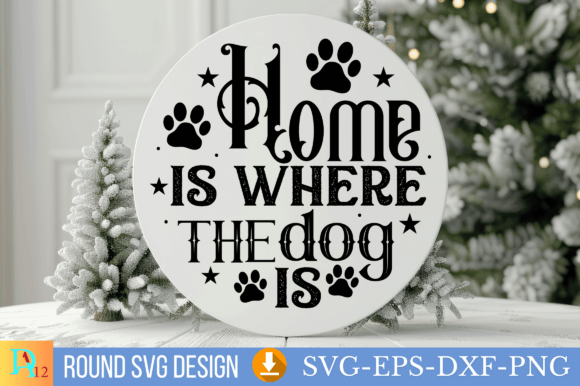
Home is Where the Dog: An Embroidery Designer's Review
When I first opened Home is Where the Dog SVG Design, I was honestly curious how it would translate from a digital cut file into a finished embroidery project. As someone who has tested hundreds of embroidery designs for my own shop and for client work, I have learned that what looks great on screen does not always stitch out well on fabric. This design, with its clean layout and heartfelt sentiment, immediately struck me as the kind of piece that could work beautifully across a range of handmade products if handled correctly. Let me walk through what I found after putting it through real project use, so you know exactly what to expect before you buy, stitch, or sell.
First Impressions and What This Design Says
The mood of Home is Where the Dog SVG Design is warm, personal, and quietly cheerful. It does not try to be flashy or overly trendy, which is actually a strength. The composition feels balanced, with the words and any graphic elements working together in a way that reads clearly at a glance. For embroidery work, that clarity matters more than most people realize. A design that is easy to read from across a room or on a product sitting on a shelf is the kind that sells itself. This design feels like it belongs on items people give as gifts or keep for themselves because it taps into that genuine emotional connection people have with their pets. It is not just a decoration; it is a statement of belonging. That is the kind of mood that makes a design versatile enough for both personal projects and commercial inventory.
How It Performs on Real Products
I tested Home is Where the Dog SVG Design on several product types to see where it shines and where it needs extra care. The first test was on a medium-weight cotton tote bag. Tote bags are a staple for any small shop or craft business because they are affordable to produce and popular with customers. The design stitched out cleanly on the cotton, with good registration and minimal distortion. The satin stitch areas held their shape, and the fill stitch sections felt solid without being overly dense. I used a medium-weight cutaway stabilizer, which I recommend for most apparel and bag projects with this design.
Next, I tried it on a pre-shrunk sweatshirt. Sweatshirt embroidery is a huge category for custom apparel and personalized gifts, and this design felt right at home there. The fabric had some stretch, but because the design is not overly wide or packed with tiny details, it did not pucker or distort. I did notice that on heavier fleece, the stitch density felt a bit more compressed, so I suggest testing your stabilizer choice and maybe reducing density slightly if your machine allows it. On a classic t-shirt, the design was light enough that the fabric did not pull or sag, which is always a concern with machine embroidery design on knits.
I also stitched it as an embroidered patch on twill fabric, and that is where the design really came to life. The patch format let the letters and any graphic elements stand out with crisp edges. Patches are a great product for Etsy sellers and small shop product lines because they are quick to produce and easy to sew onto bags, jackets, or hats. This design would make a fantastic patch for dog lovers, and I could see it selling well at craft fairs or in an online shop.
Where to Use This Design Carefully
No design works everywhere, and Home is Where the Dog SVG Design has a few limitations worth noting. The first is hoop size. Because the design has a horizontal layout with text and graphic elements side by side, you need a hoop that can accommodate the full width. If you try to squeeze it into a small hoop like a 4x4, you may have to scale it down so much that the finer lines become too thin for the needle to track accurately. I recommend at least a 5x7 hoop for most projects, and larger if you want to keep the proportions comfortable.
The second caution is about small details. If the design includes thin strokes or tiny accents, those areas can get lost on textured fabrics like linen, heavy canvas, or fleece. On smooth fabrics like cotton poplin or microfiber, those details read beautifully. On rough textures, they may look muddied. If you plan to stitch this on a baby embroidery item like a onesie or a small blanket, consider sizing it up slightly so the details remain visible after washing.
For curved surfaces like caps or hats, this design needs careful hooping and placement. The horizontal layout can work on the front panel of a cap, but you want to avoid placing it too close to the brim or the seams. I would also suggest testing it on a curved surface with a practice piece before stitching a finished hat for a client. Stitch density is another factor. On thin fabrics like a lightweight t-shirt or a kitchen towel, dense areas may cause the fabric to pucker. A lightweight tear-away stabilizer may not be enough; use a cutaway or a medium-weight mesh stabilizer to keep the design flat.
Visual Appeal, Product Value, and Customer Trust
The visual appeal of Home is Where the Dog SVG Design is understated in the best way. It does not scream for attention, but it draws people in because it feels personal. When a customer sees a finished product with this design, whether it is a sweatshirt embroidery or a tote bag design, they immediately connect with the sentiment. That emotional reaction is what drives sales for handmade product businesses. People buy gifts and personal items because of how they feel, and this design makes them feel seen and understood as dog lovers.
For small business owners and creative entrepreneurs, this design adds a layer of professionalism to your product line. It looks curated, not slapped on. That builds customer trust and encourages repeat buyers. If you are an Etsy seller looking to expand your shop, pieces made with this design can sit alongside your other offerings as a consistent, brand-friendly option. I would also note that the design works well in printable mockup photos because the layout is clean and easy to photograph. Mockups with good lighting and simple backgrounds will let the design stand out without competing with the product itself.
Practical Embroidery Designer Notes Before You Stitch
Before you load Home is Where the Dog SVG Design into your machine and start stitching, I want to share a few practical steps that will save you time and thread. First, always test the design on scrap fabric that matches your final product material. Thread color choice matters a lot with this design. A high-contrast thread, like white on a dark navy sweatshirt or black on a cream tote bag, will make the design pop. Low-contrast combinations, like light gray on white, may look too subtle and lose the emotional punch of the message. Test at least two color combinations before committing.
Second, check the stitch density before you stitch. If the file allows you to view density maps, look for areas where stitches may be packed too tightly. Dense areas can cause thread breaks, fabric distortion, and longer stitch times. If the design feels heavy in spots, consider reducing density in your software or selecting a lighter-weight stabilizer for delicate fabrics. For applique design work, this design may also be adaptable, but you would need to convert it yourself since it is originally an SVG cut file.
Third, confirm your hoop size and machine compatibility. The product description states that the files work with Silhouette, Cricut, and other software that accept these formats. That means you are getting an SVG, which is a vector cut file, not a native embroidery file. You will need to convert it using digitizing software if you plan to embroider it. Digital embroidery file conversion is a separate step, so factor that into your workflow. If you are buying this as a cut file for vinyl or heat transfer, you are good to go. For embroidery, you will need to digitize it yourself or have a digitizer do it for you. I recommend confirming the licensing terms for both personal and commercial embroidery projects before selling finished items or digital products derived from this design.
Another tip: test the design in black and white mockups first. This helps you see the layout without the distraction of color. If it reads well in grayscale, it will likely work in full color. Also, check how the design looks on both light and dark fabric texture backgrounds. Some designs that look sharp on white fabric get lost on black fabric because the negative space disappears. This design has enough openness that it should work on dark backgrounds, but test it to be sure.
Commercial Use and Selling Your Finished Products
If you run a craft business or sell on platforms like Etsy, you are probably wondering whether Home is Where the Dog SVG Design can be used for commercial products. The product description mentions it can be used with Silhouette and Cricut, and it is categorized under Crafts and Graphics. That tells me it is designed as a digital design asset for creating physical products. However, you need to verify the specific license terms before selling finished items or using it as part of your product line. Some SVG files come with restrictions on the number of sales or the types of products you can make. Others allow unlimited commercial use. Do not assume; read the license or contact the seller. This is especially important if you plan to scale your handmade shop or produce large quantities of a single item.
For apparel decorators and digital product sellers, this design could also be used as a printable transfer or a heat press design. If you are selling the finished product, keep records of where you purchased the design and what license applies. That protects you if questions ever come up. For hobbyists and makers creating one-off gifts for friends and family, the license is usually more relaxed, but it is still good practice to check.
Final Thoughts on Using This Design in Real Projects
Home is Where the Dog SVG Design is a solid choice for anyone who wants to create personalized gifts, custom apparel, or small shop merchandise with a heartfelt dog lover theme. It works well on tote bags, sweatshirts, t-shirts, patches, and even baby items when sized appropriately. The design has a clean, readable layout that translates nicely into embroidery once you digitize it properly. Just pay attention to hoop size, stabilizer, fabric texture, and thread contrast to get professional results. Test before you stitch, confirm your licensing, and you will be able to produce finished products that look polished and sell well. Whether you are a seasoned embroidery project pro or just starting out in the craft business, this design is worth considering for your next batch of dog-themed goods.