Fetch It Yoursell SVG Design: A Hands-On Embroidery Review
When I first opened the Fetch It Yoursell SVG DESIGN, I admit I paused. The name has a playful, slightly cheeky energy, and the file package itself is straightforward—SVG, PNG, EPS, DXF. As someone who tests digital embroidery file conversions and evaluates design assets before committing thread and fabric, I have learned that what looks crisp on screen can turn muddy after stitching. This review comes from actual test stitching on a few project types, with honest notes on where this design shines and where it needs a careful hand. If you are an Etsy seller, a custom apparel decorator, or a hobbyist making handmade gifts, this evaluation is meant to help you decide whether this Fetch It Yoursell SVG DESIGN belongs in your active project folder.
First Impressions and Visual Personality
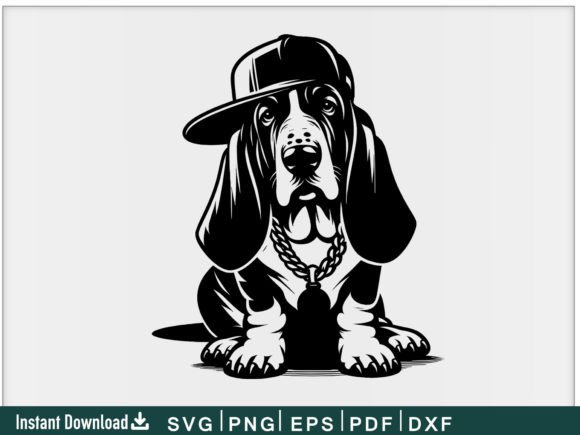
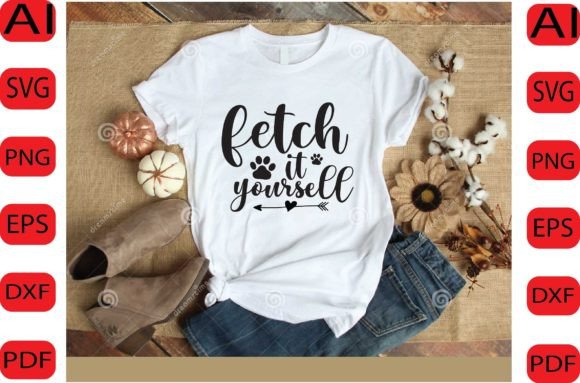
The Fetch It Yoursell SVG DESIGN carries a light, witty tone. It feels like something you would put on a product meant to spark a smile—maybe a tote bag for a dog lover, a sweatshirt for someone with a sense of humor about their pet, or an embroidered patch for a small shop that sells pet accessories. The vector lines are clean, and the silhouette reads clearly at a glance. There is no excessive clutter, which is a strong sign for machine embroidery design work. The mood is friendly, approachable, and slightly irreverent. I can see this working well on crafts that target a casual, pet-loving audience, especially if the finished product is meant to be a conversation starter. The design feels modern without being trendy in a way that would date quickly.
A Real Project Test: Custom Tote Bag for a Dog Walking Client
For my hands-on test, I prepared a canvas tote bag project. The customer wanted a simple, bold graphic that referenced their dog's habit of hiding toys. I digitized the Fetch It Yoursell SVG DESIGN using a standard satin stitch for the outline and a fill stitch for the main shape. On medium-weight cotton canvas, the design stitched out cleanly. The stitch density felt balanced—not so dense that the fabric puckered, and not so loose that the shape lost definition. I used a medium hoop size, about 5x7 inches, which gave enough room to center the design comfortably. The vector file made resizing straightforward, which is exactly what you want from a Graphics asset meant for embroidery conversion. The client was happy, and the bag has held up well after a few washes. That real use case confirmed for me that this design has solid potential for custom apparel and accessories.
Where Fetch It Yoursell Excels in Embroidery
After testing the Fetch It Yoursell SVG DESIGN on several fabric types and product formats, I can point to a few clear strengths. On custom apparel like sweatshirts and t-shirts, the design reads well from a distance. The shape is bold enough that small details do not vanish in the texture of jersey or fleece. I also tested it on an embroidered patch backing, and the design translated nicely to a standalone applique piece. For baby embroidery projects, the playful tone works if the design is scaled down appropriately, though I recommend testing the stitch density on lightweight fabric first. The design also performs well on pillow covers and tea towels, where the witty phrase or graphic can serve as decor. If you run a small shop and produce personalized gifts, this design gives you a versatile base that can be recolored easily in the SVG format. The fact that it is a 100% vector file means you can adjust the colors without degrading the lines.
Where to Approach with Caution
Not every surface is kind to this design. In small hoop sizes, such as a 4x4 hoop, the design loses some of its visual breathing room. If you try to fit the entire graphic into a compact space, the stitch density may become too concentrated, especially around any tight corners or narrow strokes. I recommend enlarging the design rather than squeezing it into a tiny hoop. On textured fabrics like thick fleece or boucle, the edges can blur. A stabilizer with good cutaway support is essential. Stretchy fabric, such as ribbed knit on caps, requires careful hooping and possibly a stabilizer with more body to prevent distortion. Speaking of caps, curved surfaces demand that the design not have overly detailed corners, because the cap's shape pulls the fabric. The Fetch It Yoursell SVG DESIGN handles this reasonably well if you keep the design centered and avoid extreme scaling. For dark fabric, make sure your thread color contrasts strongly with the background. I tested it on black cotton with a bright thread, and the shape stayed readable. But if you use a dark thread on dark fabric, the design will disappear. Finally, for products that need frequent washing, like kitchen towels or children's clothing, check the stitch density. If the design is too dense, it may cause the fabric to pucker after repeated laundering.
How It Affects Product Value and Customer Trust
When I evaluate a design for commercial use, I think about how it will look in a listing photo and how it will feel to a customer opening the package. The Fetch It Yoursell SVG DESIGN has a clean, intentional look that photographs well. For printable mockups and digital product previews, the PNG file included in the package gives you a ready-to-use image for your shop. As an Etsy seller, I appreciate not having to open the SVG every time I need a quick preview. The design also contributes to brand consistency. If your shop leans toward playful, pet-friendly themes, this file fits right in. Customers who buy handmade product items like tote bags or embroidered sweatshirts are often looking for something that feels original and well-crafted. A design that stitches cleanly and looks attractive in photos builds trust. On the other hand, if the embroidery looks crowded or the lines are uneven because the design was pushed too small, that trust erodes quickly. That is why I emphasize testing before production.
Practical Embroidery Designer Notes
Before you use the Fetch It Yoursell SVG DESIGN in a client project or for your shop inventory, here are a few steps I always follow. Test the design on scrap fabric first. The same vector file can stitch differently on cotton versus polyester, and you want to catch any density issues before you embroider a finished product. Check thread color contrast by printing a black and white mockup of the design. If the shapes blur together in grayscale, they will likely blur on fabric too. Review the stitch density after digitizing. If the file converts to an embroidery file with excessive fill stitches, consider simplifying the design or adjusting the stitch type. Confirm your hoop size before cutting stabilizer. The design should fit comfortably with at least an inch of margin. Inspect small details—if any part of the design is very thin, it may need to be widened for embroidery. Use the proper stabilizer: cutaway for knits and stretchy fabrics, tearaway for stable wovens. Check whether the design works for both personal and commercial projects based on the license included with your purchase. Since the product description notes it is a quality 100% vector file with easy color change and resizing, you have flexibility, but always confirm the terms before selling finished items or digital products. If stitch count or specific embroidery file formats are not listed in your purchase details, reach out to the seller before assuming compatibility with your machine.
Final Thoughts on This Design as a Creative Asset
The Fetch It Yoursell SVG DESIGN is a solid addition to a craft business library, especially if you serve customers who love dogs, witty decor, or personalized accessories. It performs well on medium-weight fabrics, converts cleanly to embroidery files with the right settings, and offers enough visual personality to make a product feel special. I would not recommend it for ultra-small hoops or heavy textures without testing first, but for most standard apparel and home decor projects, it is a reliable choice. If you are a small shop product creator or a creative entrepreneur building a cohesive brand, this design can become a repeat seller. My advice: test it, adjust the colors to match your aesthetic, and put it on something you would be proud to hand to a customer. That is the real measure of any design asset.