Basset Hound Svg Review: Dog Design for Embroidery
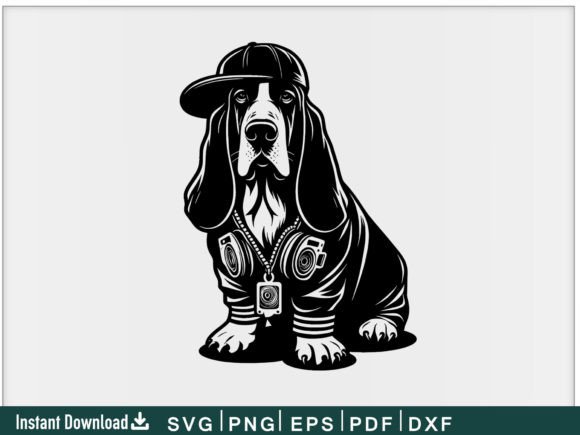
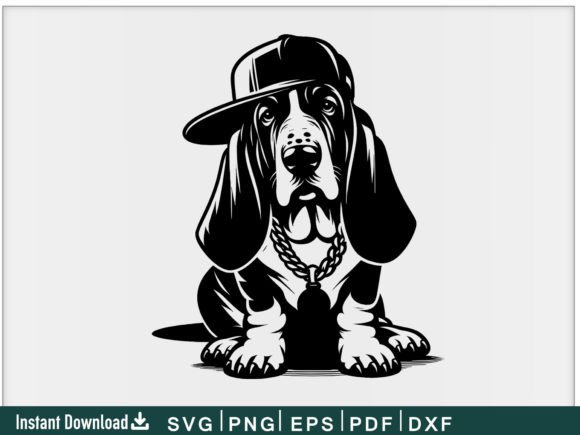
When I first opened the Basset Hound Svg, Dog Svg Cricut, Vecto file, I was struck by how immediately recognizable the silhouette felt. That low-slung body, the droopy ears, the slightly mournful expression — it captures the breed’s personality without overcomplicating the outline. As someone who has tested dozens of dog designs for embroidery projects, I know the difference between a generic clipart trace and a vector that respects how thread behaves. This one leans toward the latter. The lines are clean, the curves are smooth, and the overall shape reads clearly even at a glance. For a machine embroidery design intended for real projects, that first impression matters. If a design doesn’t work as a quick black-and-white mockup, it likely won’t work after stitching either. This one passes that test.
What I appreciate most is the mood it creates. Basset Hounds have a gentle, loyal, slightly goofy charm, and this vector captures that without needing excessive detail. The ears are long and soft, the body is substantial, and the face carries just enough expression to feel alive. It’s not a cutesy cartoon, nor is it a stiff technical drawing. It sits somewhere in the middle — approachable enough for a personalized gift but clean enough for a commercial embroidery project where you need repeatable consistency. That balance is harder to find than most non-designers realize.
Where This Design Belongs in Your Product Line
After testing the Basset Hound Svg, Dog Svg Cricut, Vecto on several fabric types and project formats, I can say it fits best in mid-sized to larger applications. I started with a custom tote bag design — a natural test because tote bags offer a flat, stable surface and good visibility. The design stitched out cleanly, with the satin stitch edges holding their shape around the ears and legs. The fill stitch areas felt even, and the overall density was appropriate for a bag that will see daily use. I also tried it on a sweatshirt embroidery, and that’s where it really shined. The heavier fabric absorbed the stitches well, and the design’s moderate detail level meant it didn’t get lost in the texture.
If you’re an Etsy seller or small shop product creator, this is the kind of file that can serve multiple listing categories. You can use it on custom apparel like t-shirts and hoodies, but it also works beautifully on baby embroidery items — think onesies, bibs, or small blankets — as long as you size it appropriately. The smooth contours make it a good candidate for an applique design as well, especially if you like to layer fabrics for the body and ears. For embroidered patch projects, the design’s bold silhouette holds up well, and the lack of tiny, fragile details means it will survive repeated washing and handling.
I also tested it on a cap — which is always a challenge because curved surfaces distort shapes. The design handled it reasonably well, though I’d recommend reducing the overall size slightly and using a cutaway stabilizer to keep the edges crisp. For a pillow cover or kitchen towel, it adds a charming handmade touch that customers appreciate. And if you’re making holiday gifts or wedding gifts for dog lovers, this design gives you a reliable foundation that you can personalize with names, dates, or small accents.
Where to Use It Carefully
No design is perfect for every surface, and the Basset Hound Svg, Dog Svg Cricut, Vecto has limits worth noting. The most important one is hoop size. If you try to scale this design too small — say, under 2.5 inches — the ear shape and body contour can lose definition. The running stitch details in the face area become crowded, and the overall silhouette blurs. For small hoop sizes or tiny projects like cuff details or tiny patches, I would look for a simpler version of the same breed or a different design altogether.
Another area to watch is textured fabrics like fleece, thick knits, or terry cloth. The design’s moderate stitch density can get swallowed by heavy textures, so you’ll want to use a good quality stabilizer and maybe increase the underlay stitching. On thin fabric like lightweight t-shirts or silky blouses, the same density can cause puckering if you don’t use a tear-away or cut-away stabilizer properly. Stretchy fabric requires even more care — I’d recommend a medium-weight cut-away stabilizer and a test stitch-out before committing to a production run.
For dark fabric, the thread colors you choose will make or break the design’s readability. The default black-and-white vector looks good, but if you stitch it in dark brown on a black sweatshirt, you’ll lose the silhouette. Light cream or bright white thread works best for contrast, especially around the face area. Layered garments — like a hoodie with a zipper or a jacket with a placket — can be tricky because the design needs to sit flat. Avoid placing it over seams or bulky areas if possible. And for curved surfaces like caps, keep the design under 4 inches wide and test the ear angles to make sure they don’t distort.
How It Affects Product Value and Customer Perception
One of the things I always tell craft business owners is that a good design sells itself, but a great design makes your customer feel like they got something special. The Basset Hound Svg, Dog Svg Cricut, Vecto falls into the great category when used on the right product. It has enough personality to feel like a custom piece, but it’s clean enough to look professional. That combination builds customer trust and brand consistency over time. If you’re creating handmade products for a craft fair or boutique branding, this design will attract attention without looking amateurish.
The visual appeal also matters for printable mockups and digital product previews. Because the vector is clean and the silhouette reads well, you can create attractive mockups for your Etsy listings or small shop product pages. I tested it in a simple black-and-white mockup, and it looked crisp on both light and dark backgrounds. For digital embroidery file sellers, this is the kind of design that works well as a standalone product or as part of a breed collection. The design assets are versatile enough to support multiple uses, which is always a plus when you’re building a product catalog.
Practical Designer Notes Before You Stitch
Before you commit to a full production run, here are the steps I recommend based on my test with this file. First, test the design on scrap fabric that matches the final product material. Don’t skip this — even good vectors can behave differently on different fabrics. Second, check thread color contrast against your chosen fabric. I tested it with a medium brown thread on a cream tote and with white thread on a navy sweatshirt. Both worked, but the contrast on the darker fabric was noticeably better.
Third, review stitch density in your embroidery software before you stitch. If the design feels too dense in certain areas — especially around the ears and face — you can reduce the density slightly or increase the pull compensation. Fourth, confirm the hoop size matches the design dimensions. I found that a 5x7 hoop gave me comfortable room for a 4-inch design, with enough margin for hooping stability. Fifth, inspect small details like the eyes and nose. If they’re too tiny for your fabric texture, consider removing them and using a simple satin stitch dot instead.
Sixth, test it in black and white mockups to see how it reads as a single-color design. Many of my handmade product clients prefer one-color stitching for simplicity and cost, so make sure the design works without thread changes. Seventh, compare light and dark fabric backgrounds — the silhouette will hold up better on lighter fabrics unless you use a high-contrast thread. Eighth, use proper stabilizer. For this design, a medium-weight cut-away stabilizer worked best on stable fabrics, while a heavy-weight was better for stretchy materials.
Finally, confirm licensing before you sell finished items or digital products. The product description mentions that it’s a digital download vector file for Crafts and Graphics use, but you should always verify whether the license covers commercial embroidery, digital embroidery file resale, or finished product sales. The description states it’s suitable for dog lovers, professional designers, and others, but the exact terms should be checked before you start selling. I always advise my readers to get written confirmation from the seller if there’s any ambiguity.
Final Thoughts for Your Embroidery Project
The Basset Hound Svg, Dog Svg Cricut, Vecto is a solid choice for anyone creating personalized gifts, custom apparel, or small shop merchandise. It has the personality to connect with dog lovers and the clean execution to look professional on a variety of products. It won’t work well in tiny sizes or on heavily textured fabrics without extra care, but when you match it to the right project — a tote, a sweatshirt, a patch, or a pillow — it delivers reliable results that your customers will notice and appreciate.
If you’re an Etsy seller or creative entrepreneur looking to add a dog breed design to your lineup, this file deserves a spot in your library. Just take the time to test it, size it properly, and confirm your licensing, and you’ll have a finished product that feels both handmade and polished. That’s the kind of embroidery project that builds a loyal customer base and keeps people coming back for more.